

Giuseppe Penone
Giuseppe Penone’s approach is rooted in Arte Povera, the radical Italian movement of the 1960s and ’70s that embraced humble materials in opposition to traditional artistic media.
His first solo presentation in Denmark brings together works spanning more than four decades, tracing the evolution of his practice and his sustained exploration of the relationship between humans and the natural world. The exhibition was curated by Per Jonas Storsve.
Working with organic materials such as wood, leaves, and stone, Penone investigates processes of growth, transformation, and the passage of time. The exhibition presents significant works from across Penone’s career, including examples from the Alberi (Trees) series, which the artist initiated in 1969 when he was just twenty-two. Overlooking the surrounding forests, Albero di 8 metri, 2002 connects the landscape with the palace’s layered architectural history. Penone carves into wooden beams while preserving knots and traces of branching to reveal a younger tree embedded within the growth rings. By reanimating the timber through delicate carving, Penone forges a link between sculpture and the ways plants grow and articulate themselves in space. The monumental lengths of Albero fiume di 12 metri and Albero fiume di 11 metri, 1987 cut through the ballroom’s Rococo interior. Exhibited alongside three royal portraits by Carl Gustaf Pilo (SE, 1711–93), framed in gilded wood, the installation contrasts painted grandeur against a quieter, elemental force.
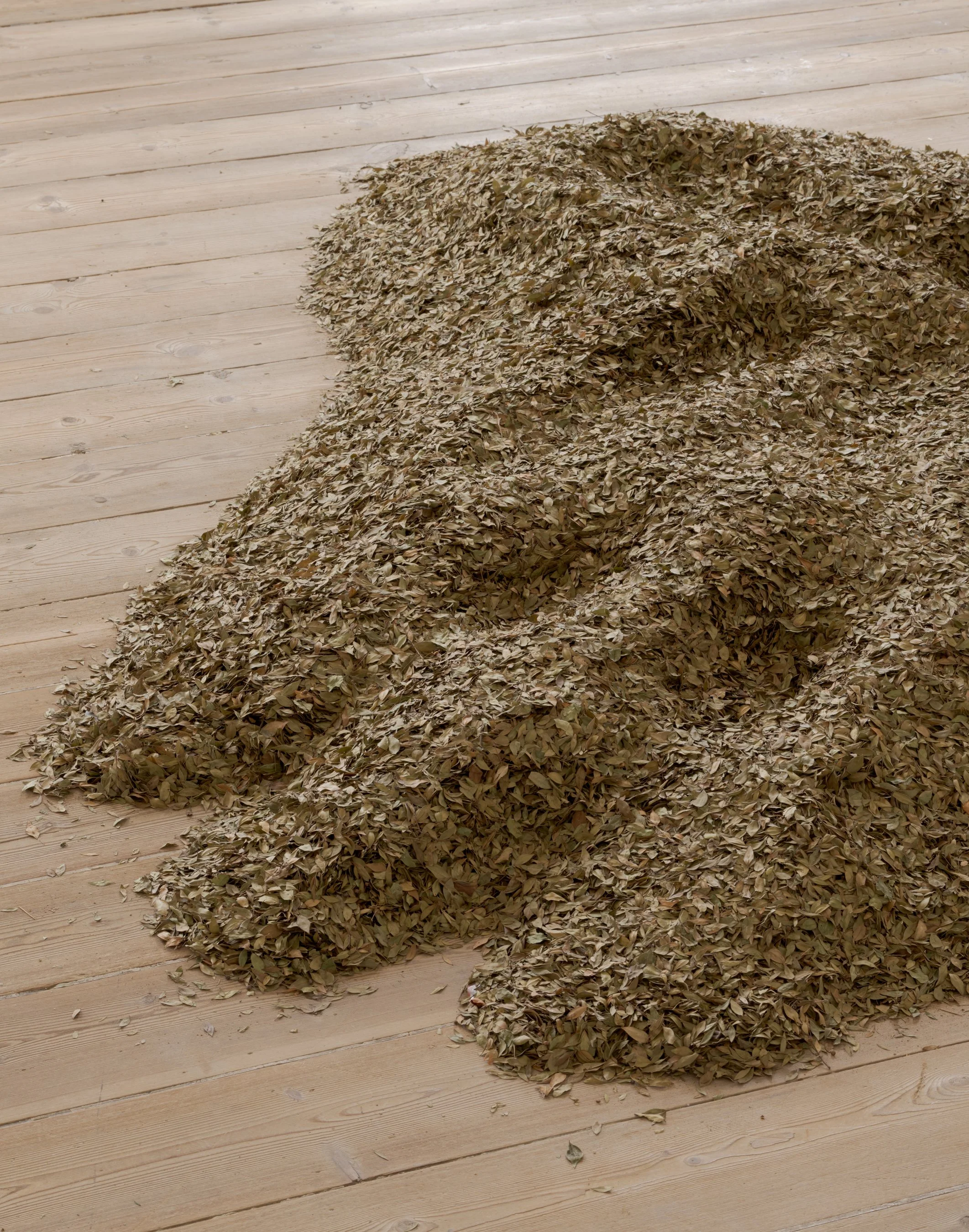
In Soffio di foglie, 1979, a pile of myrtle leaves bears the imprint of the artist’s body and breath. Evoking the constant exchange between humans and their environment, the work encapsulates the connection between organic processes, biological energy, and creative expression. Elsewhere, works on paper and rare archival materials situate Penone’s sculptural and performative practice within a broader context. The photographic series Alpi Marittime, 1968 positions the fleeting moments documented by his installations alongside enduring interventions in the landscape.
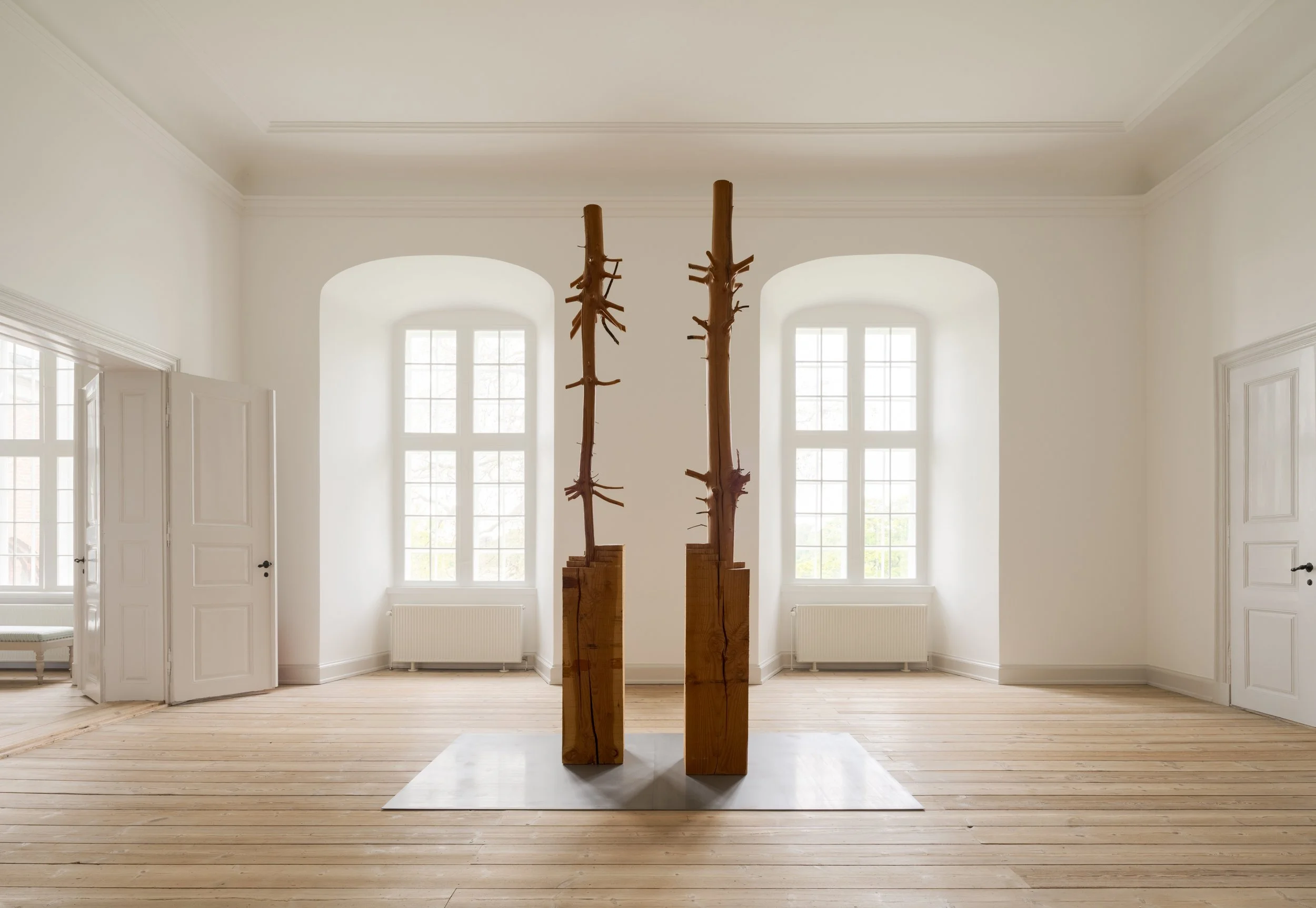
Photo: David Stjernholm
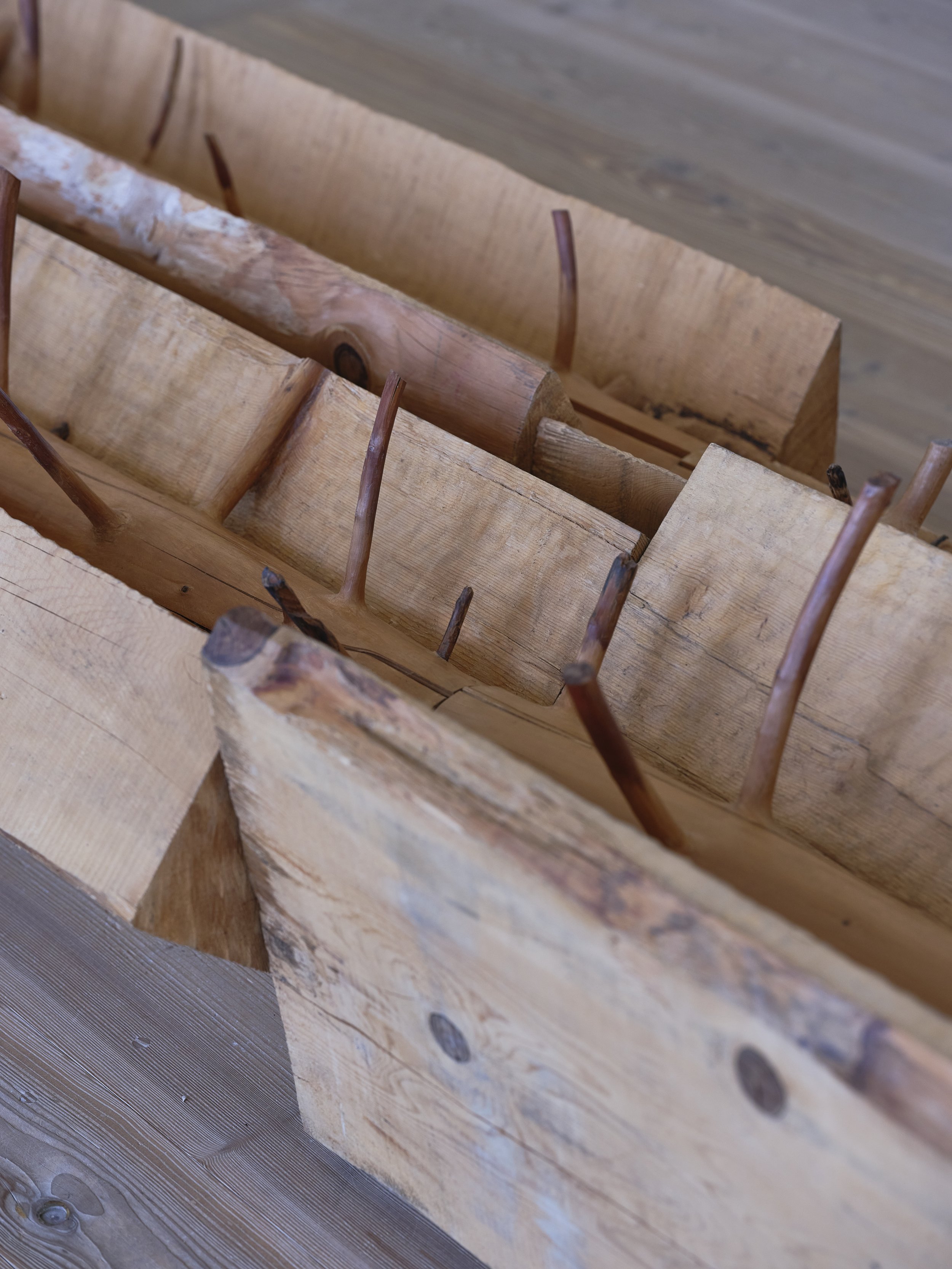
Photo: Davy Denke
“In 2013, celebrated Italian sculptor Giuseppe Penone created a remarkable and very well-attended exhibition at Louis XIV's palace in Versailles. Penone's works, which are in close harmony with nature, entered into a fruitful and happy dialogue with the palace's baroque architecture. The same applies this summer at Valdemars Slot. The sculptor's monumental sculptures occupy the Knights' Hall and three other galleries in the 17th-century building.”
— Per Jonas Storsve, Curator
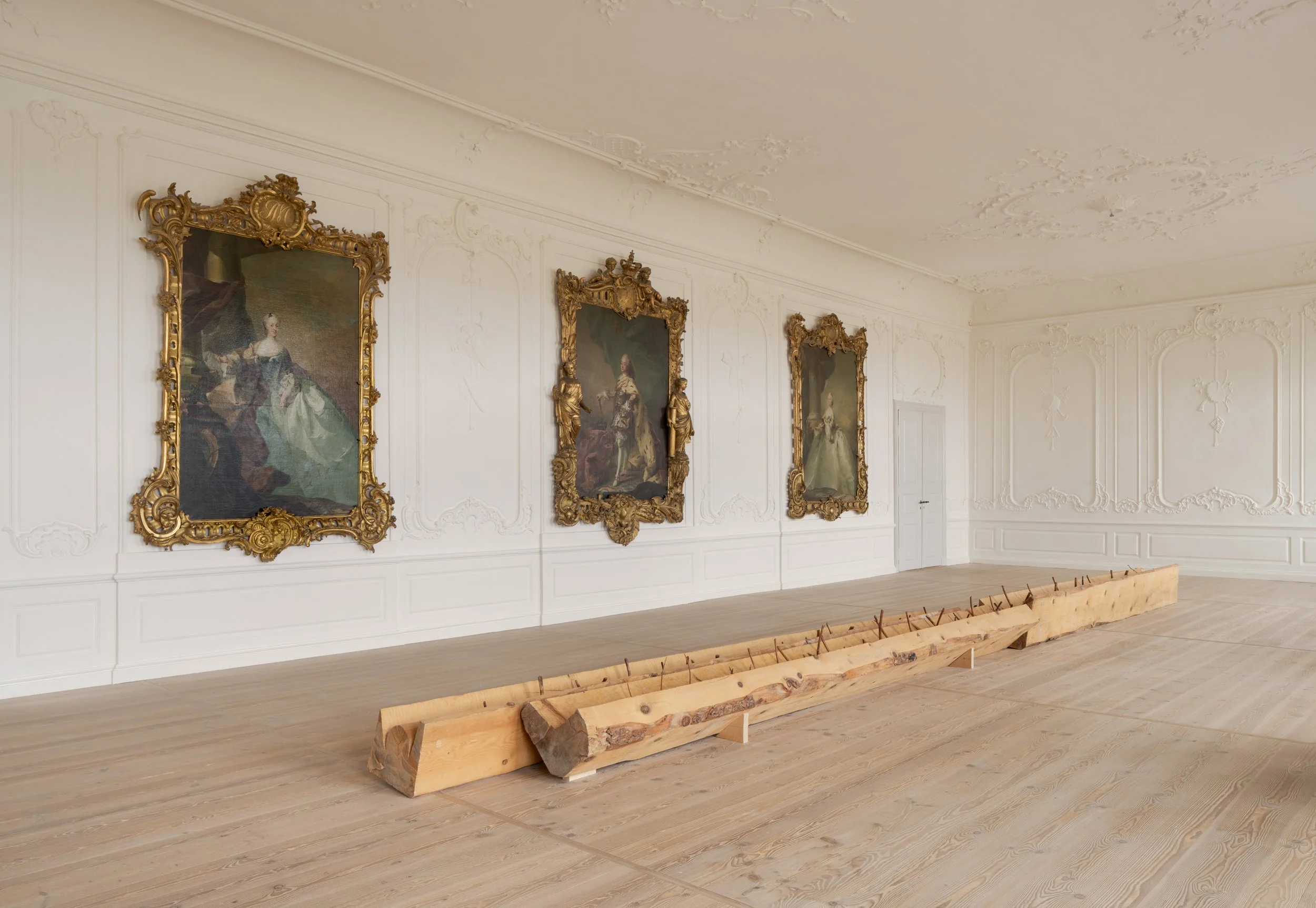
Photo: David Stjernholm
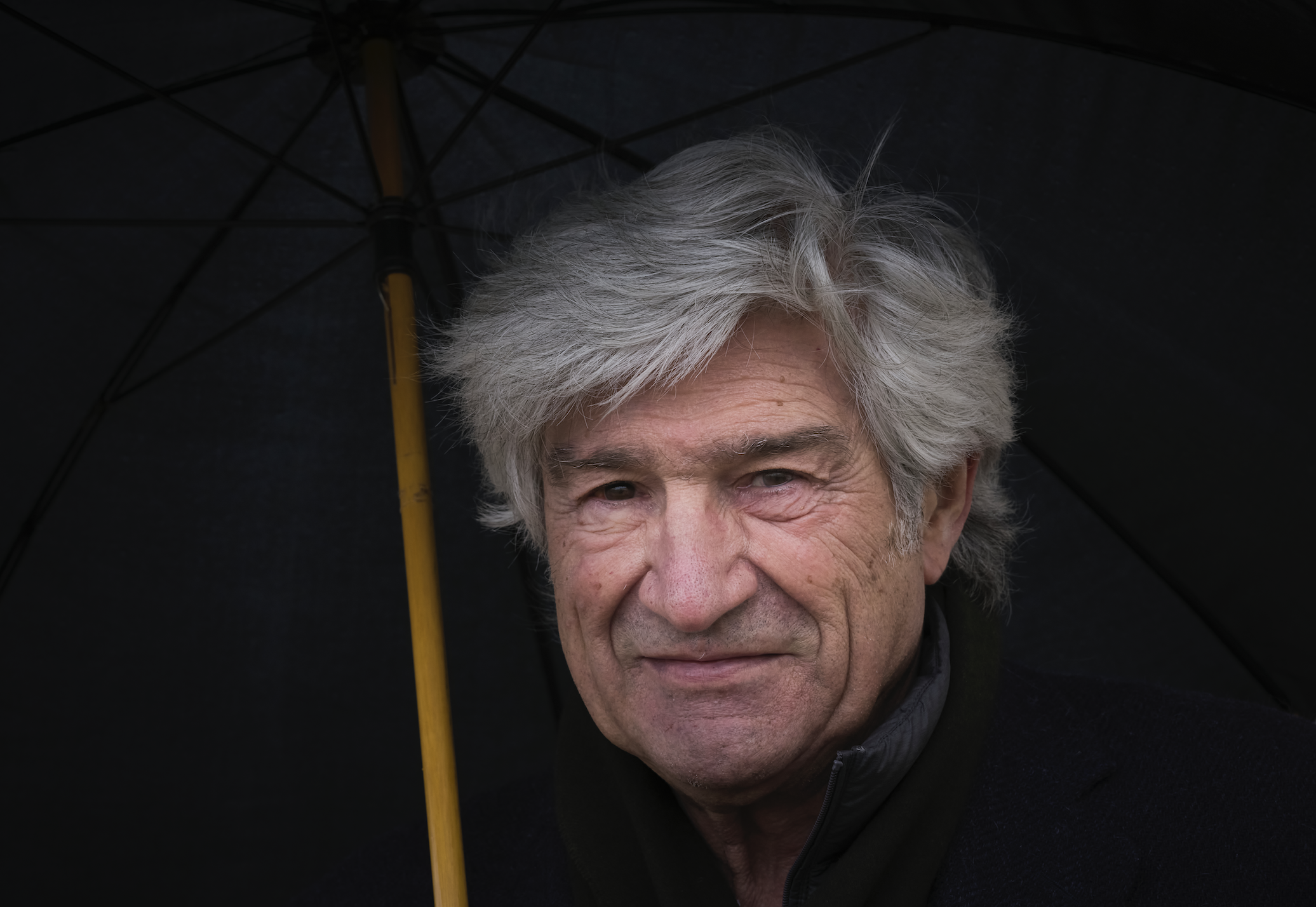
Artist Bio
Giuseppe Penone (b. 1947, Garessio)
A central figure of the Arte Povera movement, Penone is based in Turin, Italy. Significant recent solo exhibitions include Serpentine, London (2025); Galleria Borghese, Rome (2023); Centre Pompidou, Paris (2022); Philadelphia Museum of Art (2022); Villa Medici, Rome (2021); Palais d’Iéna – CESE, Paris (2019); and Yorkshire Sculpture Park, Wakefield (2018). Penone has participated in Documenta (1972, 1982, 1987, 2012) and the Venice Biennale (2007, 1995, 1986, 1980, 1978). In 2023 he was elected Foreign Associate Member of the Académie des Beaux-Arts.
Photo: Hanne Valentinussen